Craft Masonry
-
Good evening Quarrymen and welcome to our new YouTube Channel members *Nelson Davis* and *loretta Crowley*! In this weekend’s video, we explore Moses, the Hebrews, and the Temple, a thought-provoking lecture originally delivered by Loomis Baldrey, PGM in 1951, and later published by Everett R. Turnbull and Ray V. Denslow. This historical discourse traces the…
-
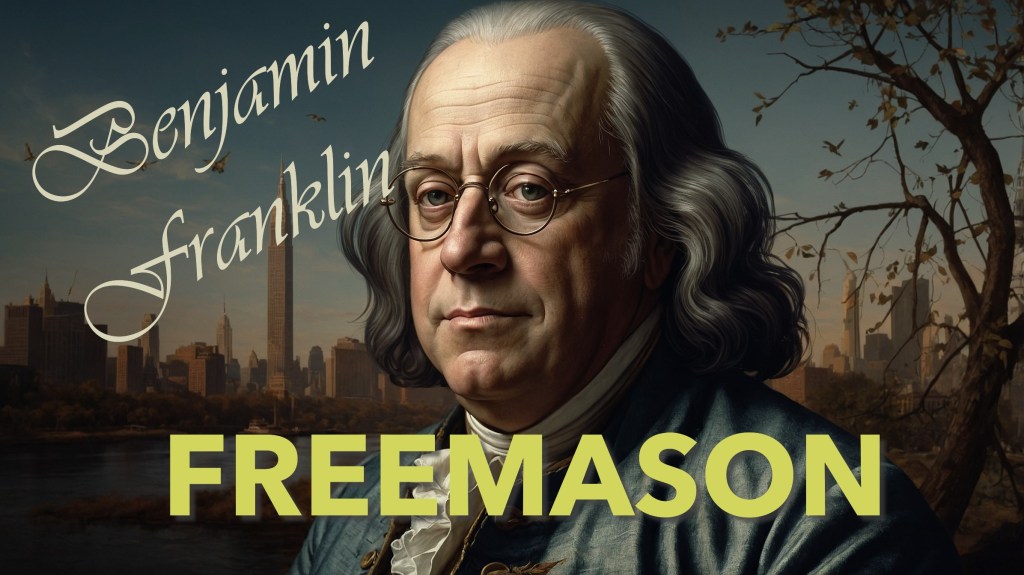
This video explores the profound relationship between Benjamin Franklin and Freemasonry, arguing that Masonic principles were integral to his life and accomplishments. It traces Franklin’s rapid rise within the Masonic ranks, highlighting his contributions to Masonic literature, particularly his publication of The Constitutions of the Freemasons, the first such book printed in America. The author…
-
Good evening Quarrymen This weekend’s video topic was selected by our wonderful Master and Fellowcraft channel members. It explores the profound connection between Benjamin Franklin and Freemasonry. It details Franklin’s initiation, rapid advancement within the Masonic ranks, and significant contributions to Masonic literature and building projects. The video highlights how Franklin’s Masonic beliefs shaped his…
-
This text by A.E. Waite explores the origins of Speculative Freemasonry, questioning the commonly held belief that it directly descended from medieval operative guilds. The author argues that Hermetic schools, specifically Alchemical, Rosicrucian, and Kabalistic traditions, played a crucial role in transforming operative Masonry into a speculative fraternity focused on philosophical and spiritual pursuits around…
-
Good evening Quarrymen I’ve been working on a video featuring AE Waite’s analysis of Hermetic Masonry for some time, but it’s been a struggle. Waite’s writing style is so baroque that it’s quite hard to read aloud, let alone visualise. Here’s an example of a typical sentence: “It would account at once not alone for…
-
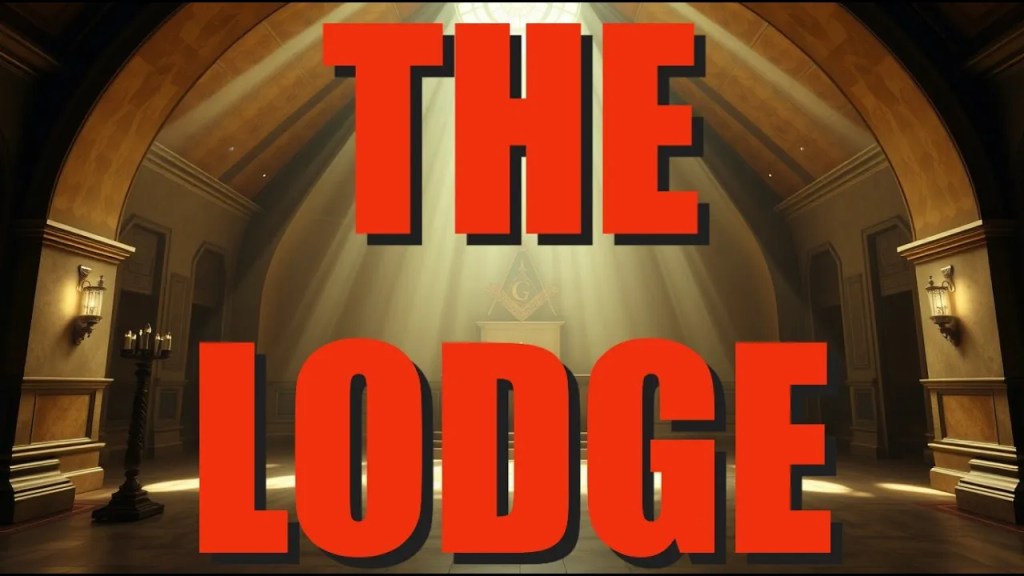
“The Lodge” explores the historical and symbolic meaning of the Masonic Lodge, tracing its origins from ancient tribal rituals to its modern form. The text posits that the Lodge represents the world, and Masonic initiation symbolizes a moral and spiritual rebirth. It argues that the Lodge provides a space for self-improvement and fraternal fellowship, separate…
-
Good evening Quarrymen This weekend’s video “The Lodge” explores the historical and symbolic meaning of the Masonic Lodge, tracing its origins from ancient tribal rituals to its modern form. The text posits that the Lodge represents the world, and Masonic initiation symbolizes a moral and spiritual rebirth. It argues that the Lodge provides a space…
-

This 1843 text, “A Lesson for Freemasons,” uses Masonic tools as metaphors for moral conduct. The rule, line, and plumb line represent adherence to righteous behavior and avoiding deception. The square and compasses symbolize living within proper bounds and contributing to others’ needs. The level emphasizes equality among humankind, regardless of social standing. Finally, the…
-
This weekend we go back to a text written only a couple of decades after the foundation of the United Grand Lodge of England in 1813. The 1843 text, “A Lesson for Freemasons,” offers a fascinating interpretation of the use of Masonic tools as metaphors for moral conduct. It’s a short text, but well worth…
-
This work explores Mozart’s deep connection to Freemasonry, a fraternal organization that profoundly influenced his life and music. Mozart’s Masonic affiliation, intertwined with the Enlightenment’s emphasis on reason and brotherhood, provided a foundation for his creative explorations and personal values. Through compositions like “The Magic Flute” and “Masonic Funeral Music,” Mozart conveyed Masonic ideals of…
-
Good evening Quarrymen This weekend, an exploration of the significant influence of Freemasonry on Mozart’s life and work. Multiple scholarly sources highlight how Mozart’s Masonic affiliations, rooted in Enlightenment ideals, profoundly impacted his late compositions, both thematically and symbolically. His involvement provided him with a supportive social network and a philosophical framework that resonated deeply…
-
This week’s video Joseph Fort Newton’s The Spirit of Masonry extols the fraternal organization’s core principles. The text emphasizes the importance of brotherhood, friendship, and a deep-seated spirituality as central tenets of Masonry. It argues that Masonry fosters a sense of shared humanity and encourages ethical conduct, promoting love, service, and understanding among all people.…
-
Good evening Quarrymen This weekend, let’s ring in the New Year with a meditation on the values to which we should all aspire. From the pen of Joseph Fort Newton. Coming to YouTube Saturday 4 January.
-
Good Morning Quarrymen Today’s video is a compilation of 5 ‘Christmas themed’ presentations published on the channel over the last few years. I wish all of you a very Merry Christmas and best wishes for the Festive Season!
-

This 1929 research paper explores the connections between ancient Egyptian mysteries and Freemasonry, arguing that Egyptian knowledge and religious practices significantly influenced later cultures, including Greece and Judaism. The author traces the historical interaction between Egypt and Greece, highlighting the transmission of scientific and philosophical ideas from Egyptian priests to Greek scholars. Furthermore, the text…
-
Good evening Quarrymen Coming to YouTube this Saturday 14 December … The Ancient Mysteries of Egypt and Greece. This 1929 research paper explores the connections between ancient Egyptian mysteries and Freemasonry, arguing that Egyptian knowledge and religious practices significantly influenced later cultures, including Greece and Judaism. The author traces the historical interaction between Egypt and…
-
In this video Arthur Edward Waite’s writings explore the historical relationship between alchemy and Freemasonry, arguing that both traditions share a common mystical origin but diverged over time, with alchemy shifting from a physical science to a spiritual one and Masonry evolving from operative craft guilds to speculative societies. A lecture by S.H. Perry further…
 From the Quarries